Articles

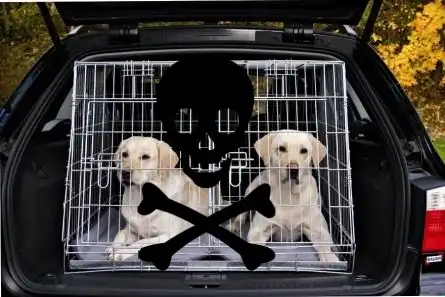
Do You Transport Your Dog in the Car Trunk? The Danger Waiting There Is Huge!
You got a dog and started traveling with it, and transporting it in the trunk of your car seemed like the most practical solution. It may seem logical at first. However, traveling in the trunk exposes your dog to enormous danger.
Continue reading...
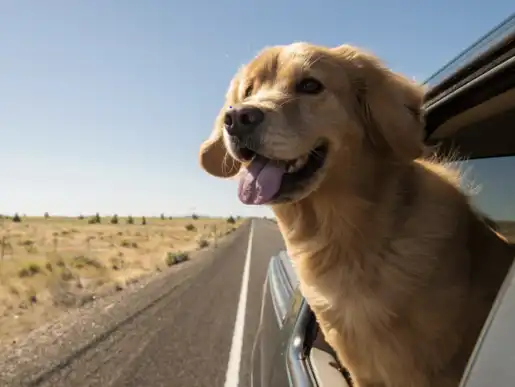
Traveling With Your Dog by Car? In a Crash Your Dog Can Turn Into a Cannonball!
Passenger cars are primarily designed for transporting people, and their main priority is to protect human passengers as much as possible.
However, when you travel with your dog, the situation changes. Safety experts discovered during crash tests that even a small dog weighing only a few kilograms can cause fatal injuries during an accident.
In a crash, the weight of an unsecured dog can increase to 30–40 times its normal weight. Simply put, your dog can turn into a thousand-kilogram projectile.
Continue reading...

Traveling Safely With Dogs at Prague Expo Dog – CACIB (Dec 2, 2018)
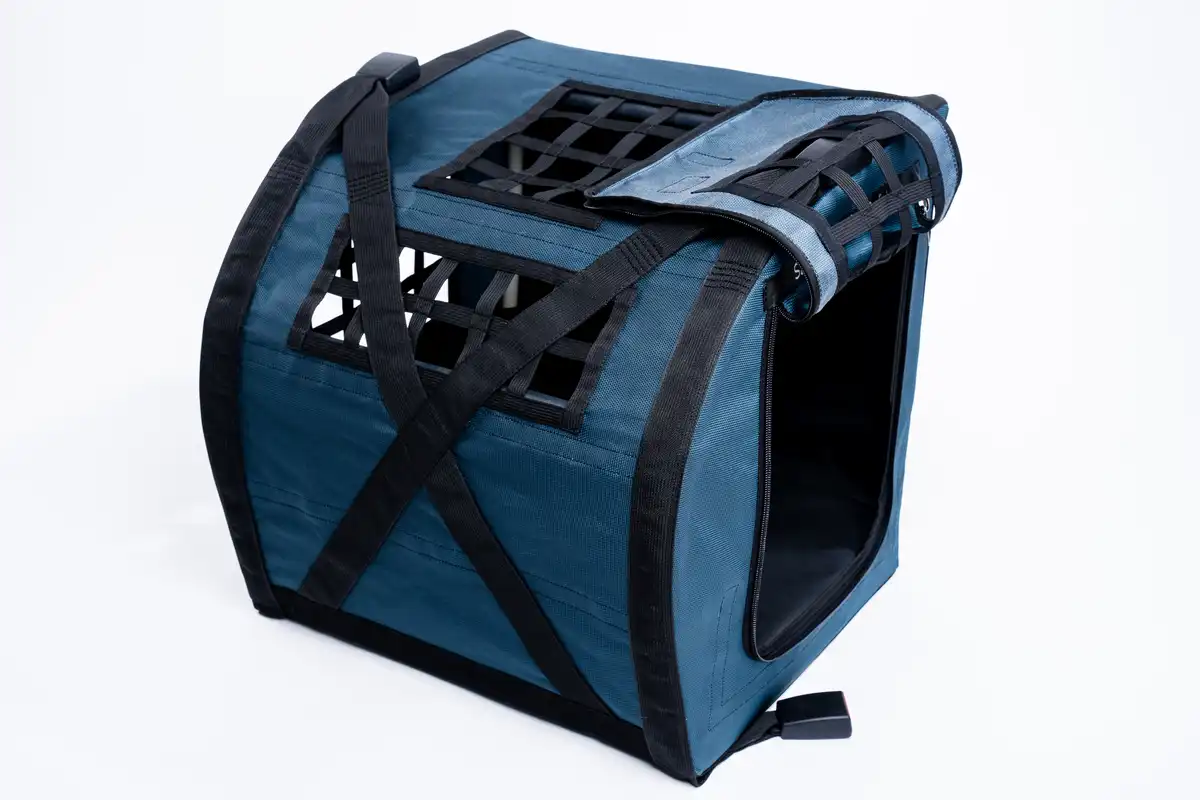
Visit our booth at Prague Expo Dog – CACIB on December 2, 2018 and learn more about the SafeHug system in person. Take the opportunity to win a SafeHug for your pet.
Contest question: Guess the load at which the SafeHug structure will break.
Contest question: Guess the load at which the SafeHug structure will break.
Show event on facebok...

Travel Safely With Your Dog at For Pets 2019
We invite all supporters of safe and comfortable travel with their dogs to visit our booth at the For Pets trade fair from April 4–7, 2019.
You can find us in Hall 2, booth 2B20. We look forward to seeing you!
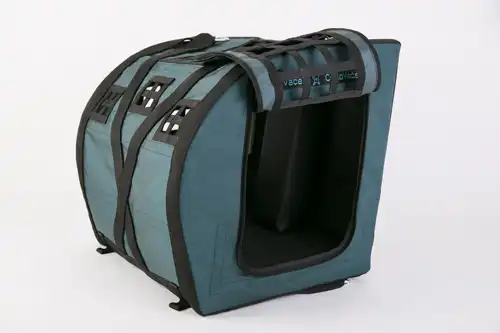
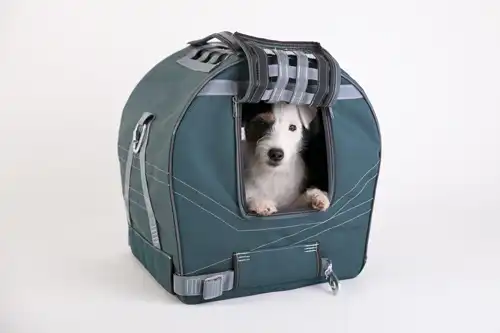
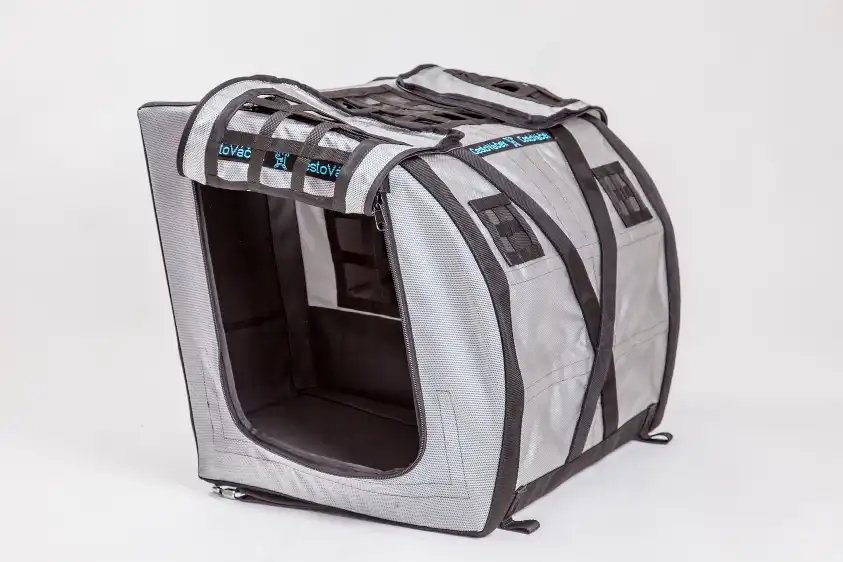
SafeHug MINI! A New Model for Small Dog Breeds.
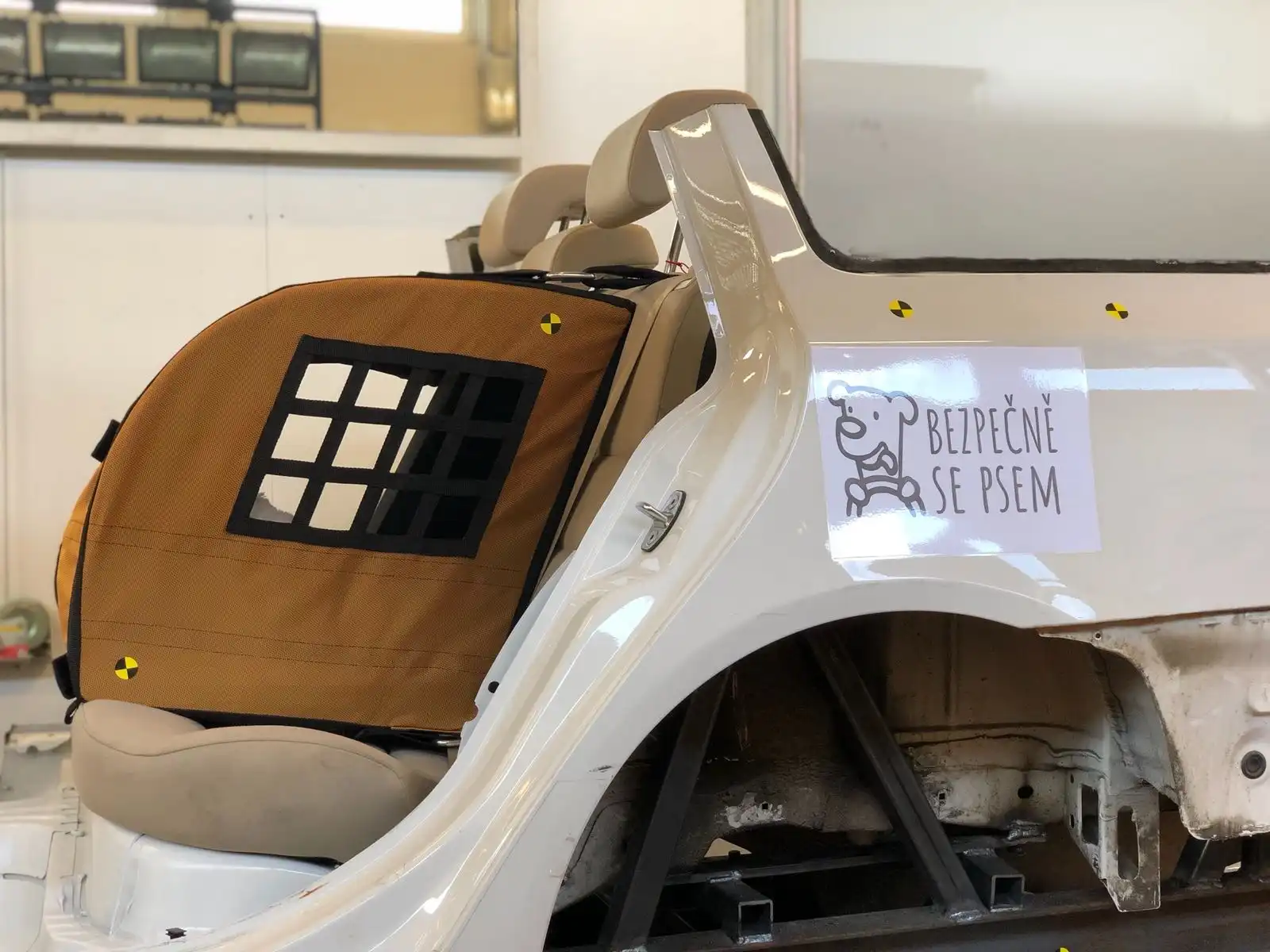
SafeHug MINI has passed the strictest crash test with 30G overload – the same standard used for human seat belts.
Watch video on Youtube...